



Magento 2 Web Design & Development Services

Magento Store Setup

Theme Design & Customization

App Integration

SEO & Marketing Support
Key Magento 2 Features for E-Commerce Businesses

Enterprise Product Management
(Enterprise Product Management)
- Enterprise-grade E-Commerce platform built to handle large product catalogs
- Manage multiple product types efficiently and systematically
- Flexible Attribute and Category management
- Stable and scalable for long-term business growth

Flexible Pricing & Promotion Control
(Flexible Pricing & Promotion Control)
- Customize sales workflows and system functionality to match your business model
- Support for Custom Modules and business-specific logic
- Manage pricing and promotions based on conditions and customer groups
- Improve sales performance and conversion rates over the long term

SEO-Friendly System
(SEO-Friendly System)
- SEO-friendly website structure
- Full control over URLs, Meta Tags, and Sitemaps
- Supports Page Speed Optimization
- Improve visibility and ranking opportunities on Google

Mobile-Optimized
(Mobile-Optimized)
- Optimized for mobile shopping experiences
- Responsive across all screen sizes
- UX/UI designed for Mobile Commerce
- Improve opportunities to increase conversions and sales

API & System Integration
(API & Integration Ready)
- Support for REST and GraphQL APIs
- Integrate with ERP, Accounting, and Warehouse systems
- Connect Payment and Shipping services
- Ideal for businesses operating multiple interconnected systems

Analytics & Reporting
(Analytics & Reporting)
- Sales and customer data reporting
- Analyze customer and user behavior
- Access up-to-date business data
- Support more accurate and informed business planning
Why Choose Magento 2 for Your E-Commerce Business?
Magento 2 is ideal for businesses that need a powerful and highly customizable E-Commerce platform, with support for multiple stores, multiple warehouses, and seamless integration with back-office systems.
Highly Flexible & Customizable
Customize workflows, product catalogs, promotions, and checkout processes to match your business requirements beyond the limitations of standard ready-made platforms.
Advanced Product & Promotion Management
Manage large product catalogs, multiple categories, customer-specific pricing, coupons, discounts, and complex promotional campaigns with flexible business rules.
ERP, POS & Back-office Integration
Ideal for organizations that need to connect orders, inventory, customer data, payments, shipping, and internal business systems through APIs.
SEO & AI Search Ready
Optimize URL structures, metadata, canonical tags, sitemaps, schema markup, and content to help search engines and AI-powered search platforms understand your products more effectively.
Built for B2B & Multi-store
Support multiple websites, languages, currencies, customer groups, and flexible pricing structures based on different business requirements.
Scalable for Long-term Growth
Built for businesses that plan to grow continuously, add new features, connect with marketplaces, and develop E-Commerce into a central sales platform.
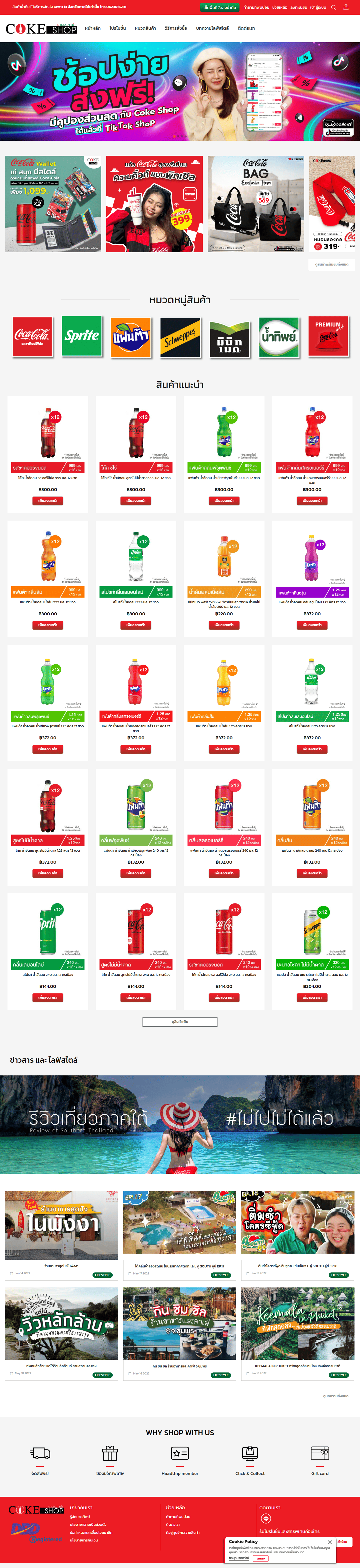
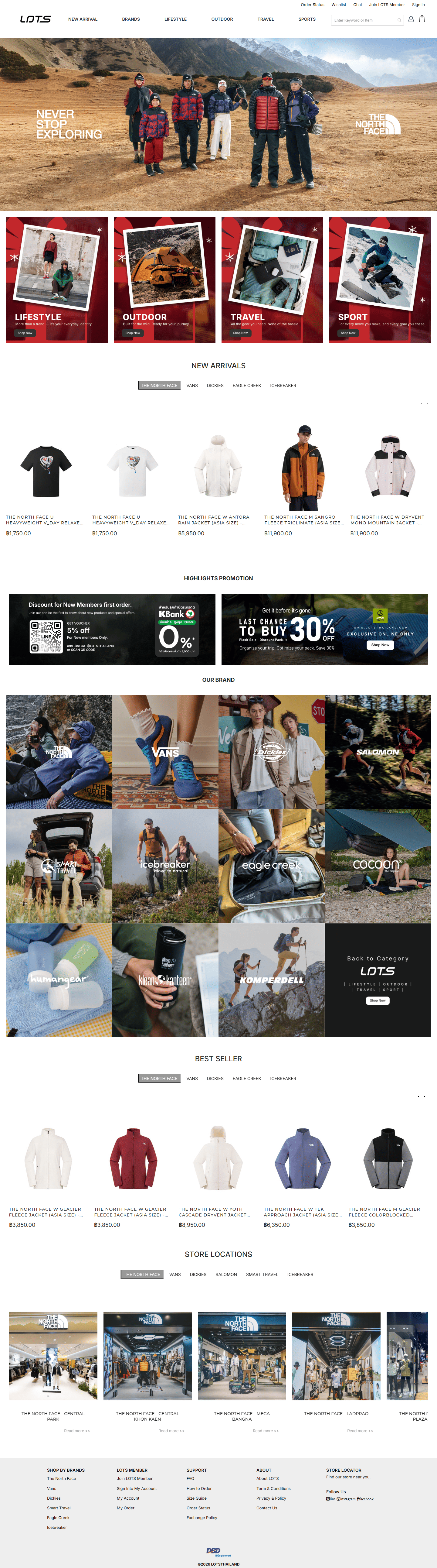
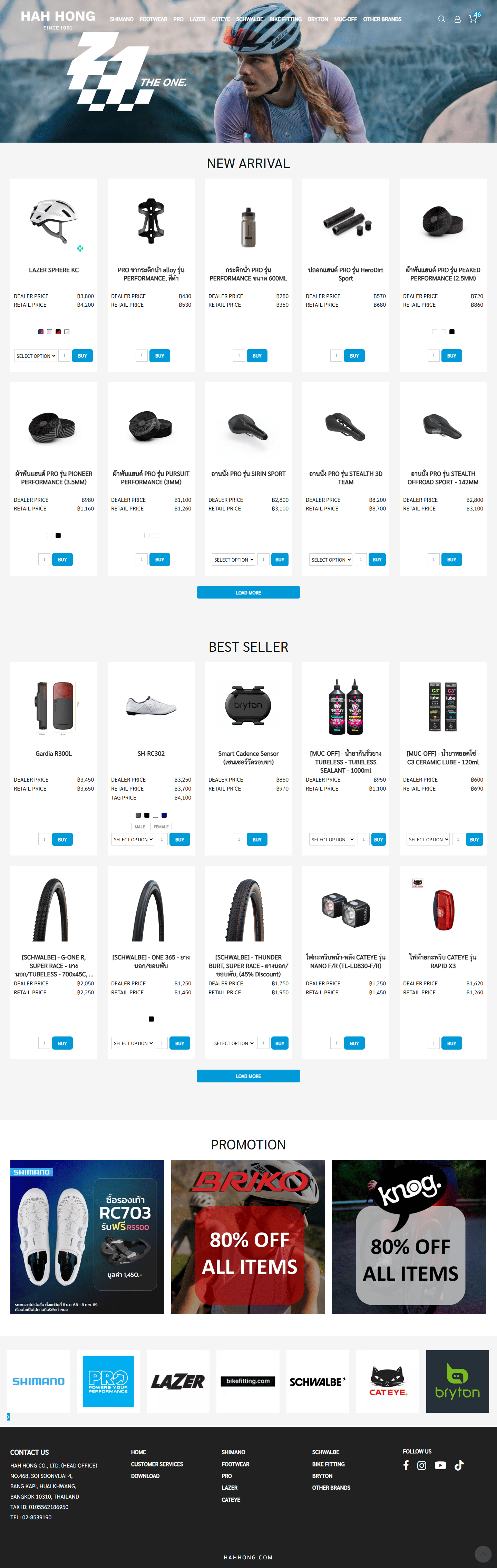
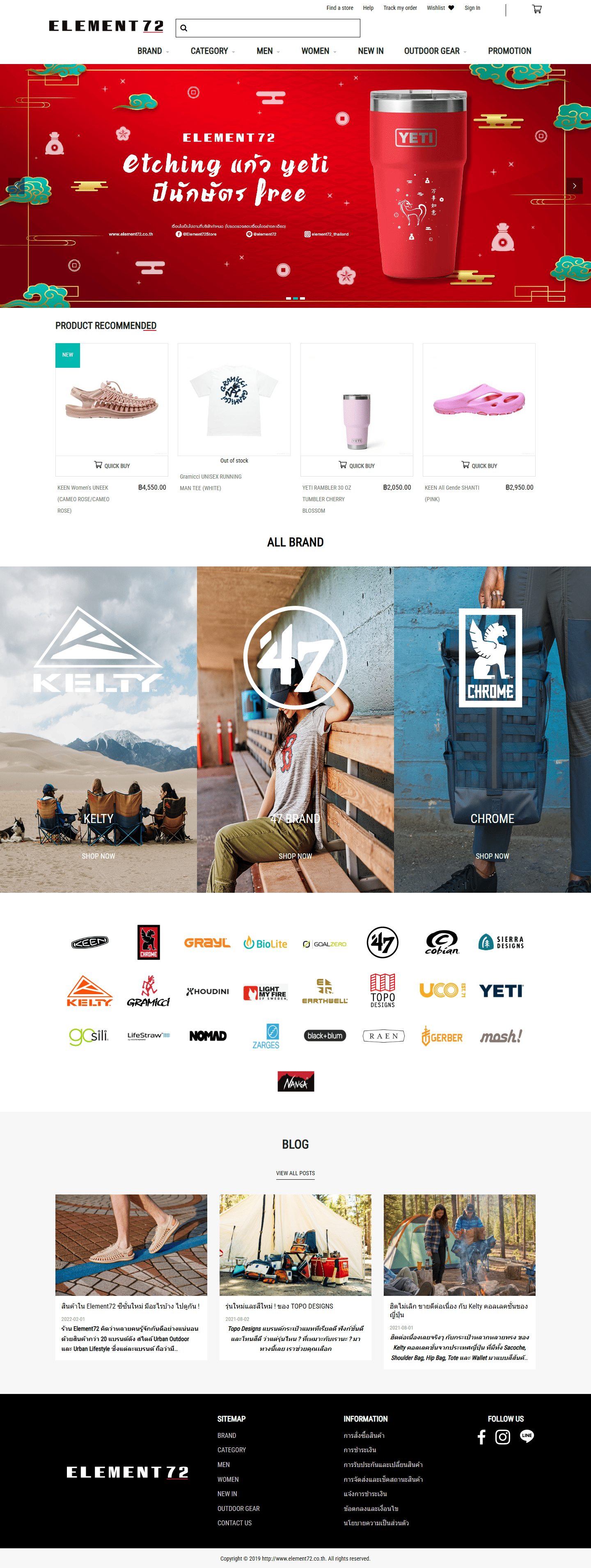
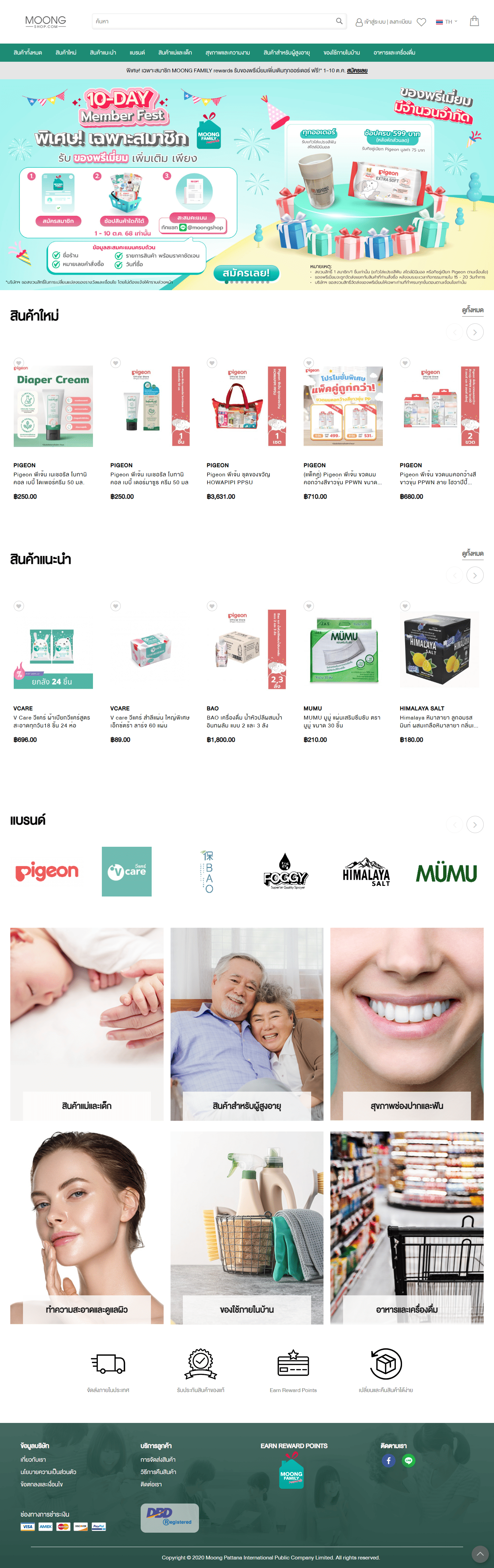
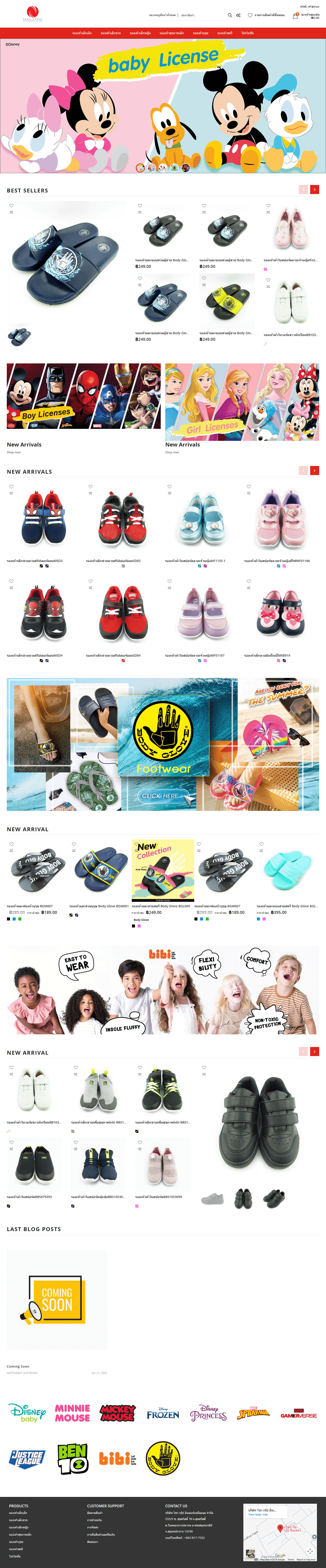
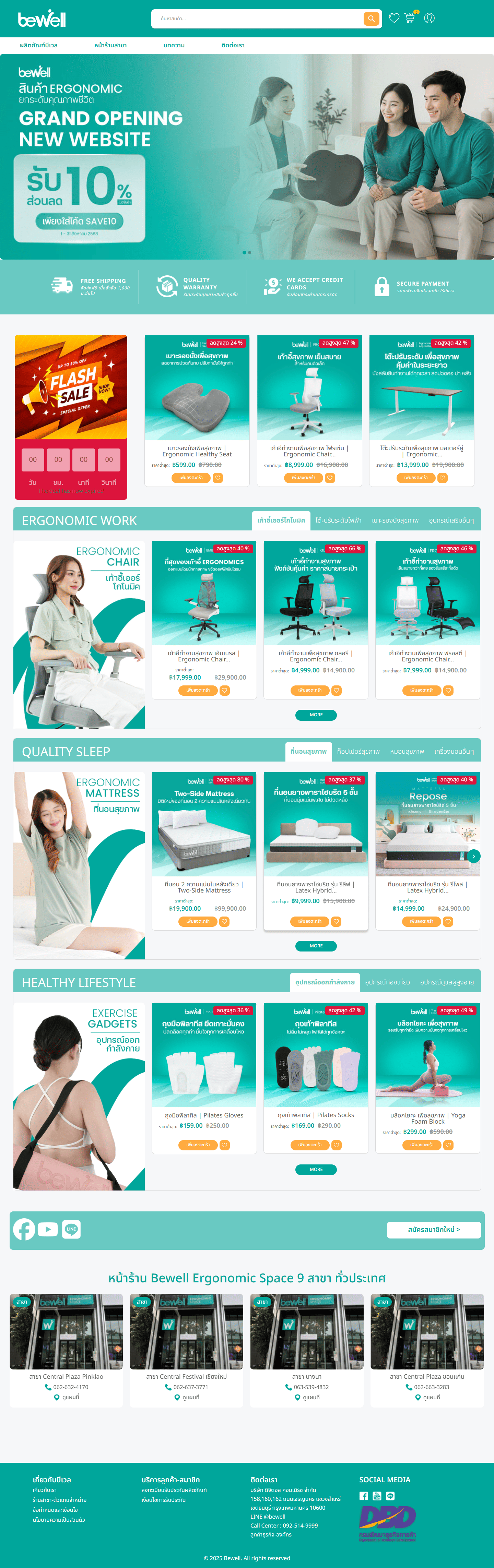
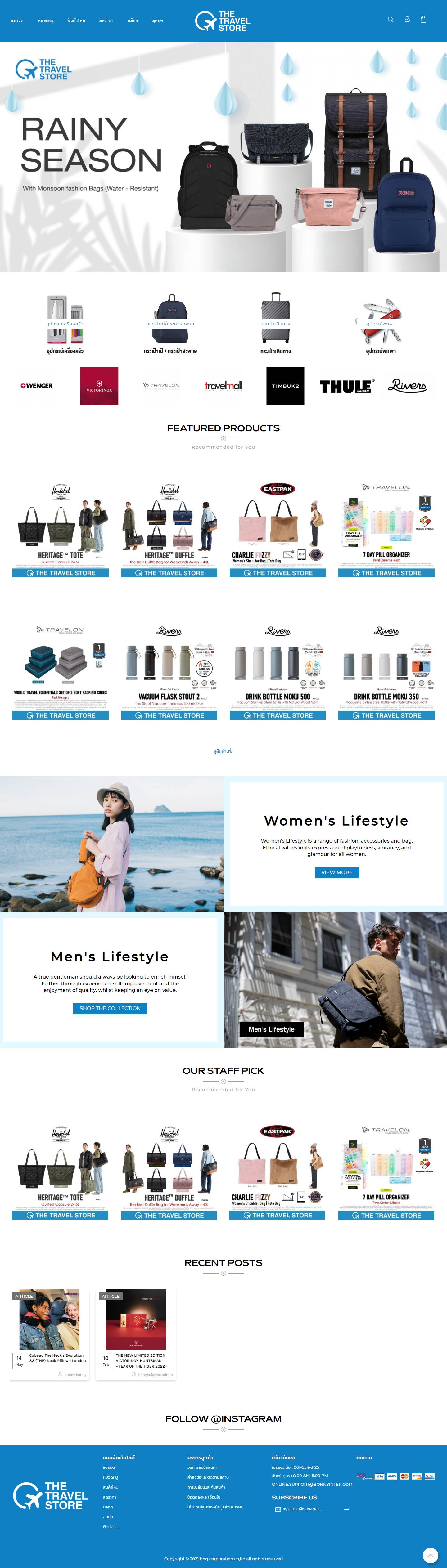
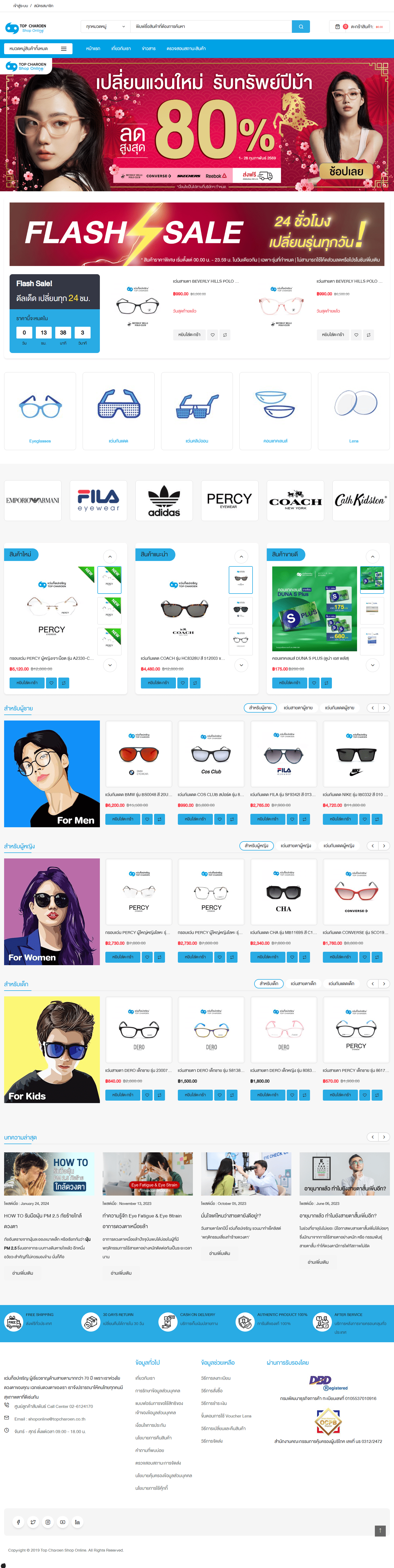
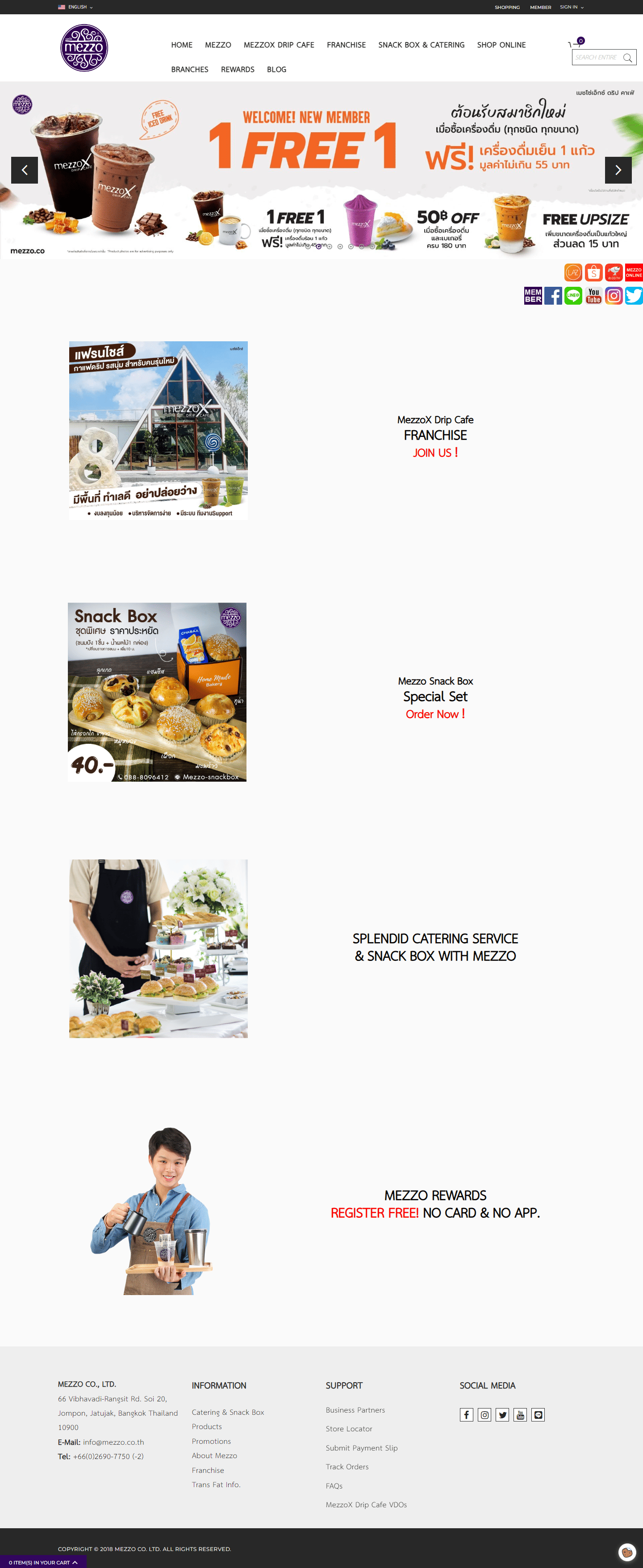
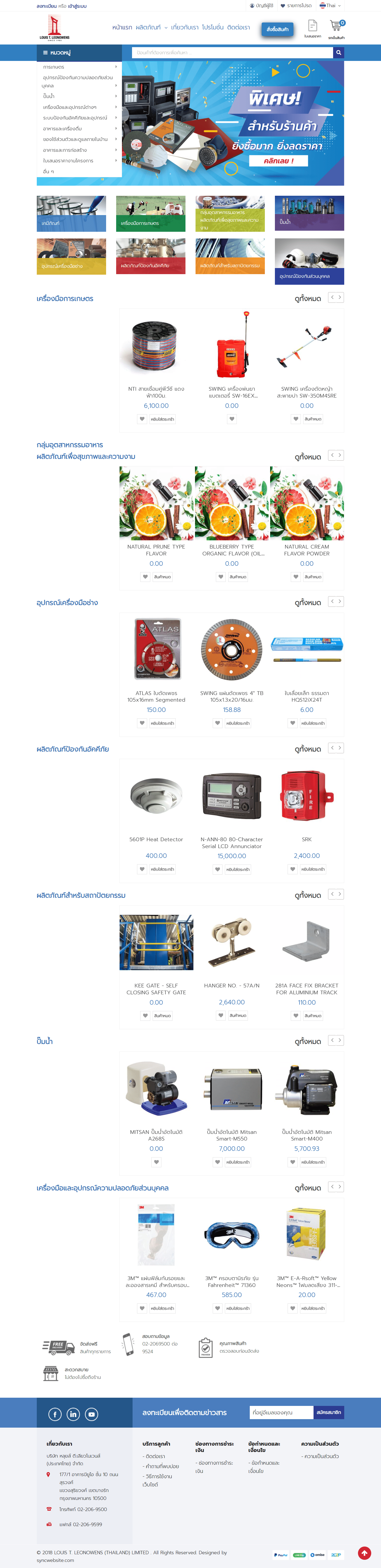
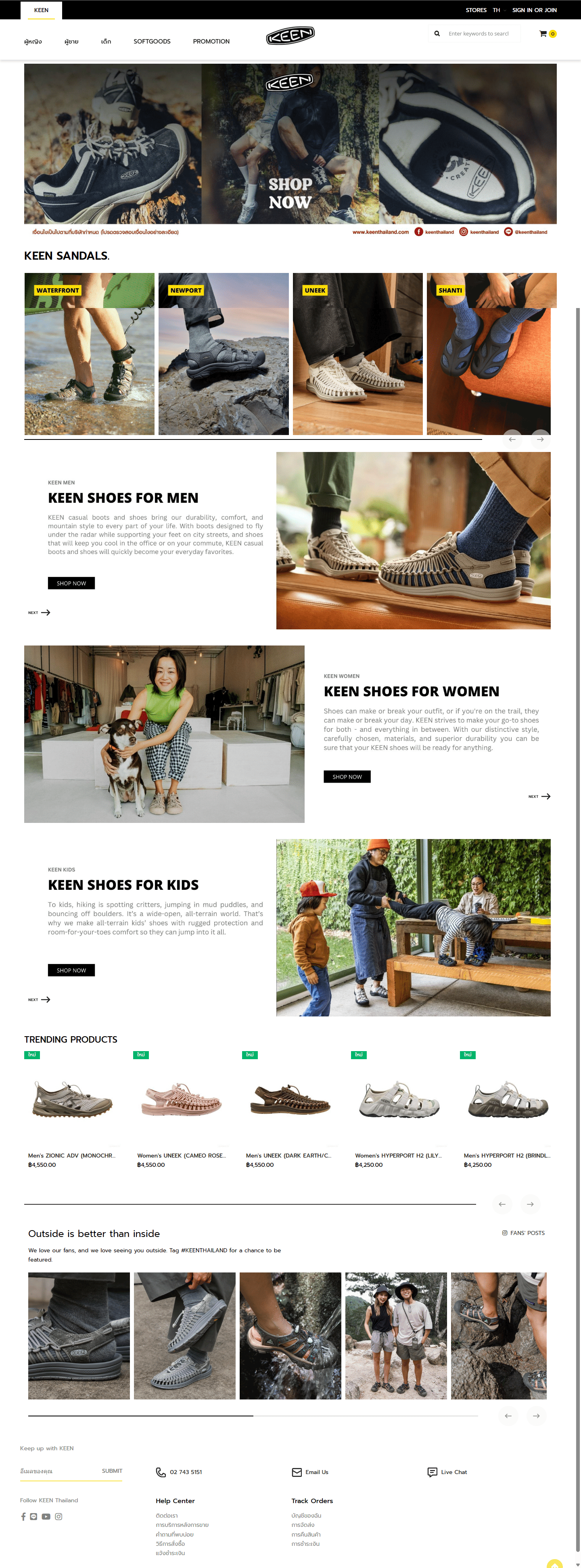
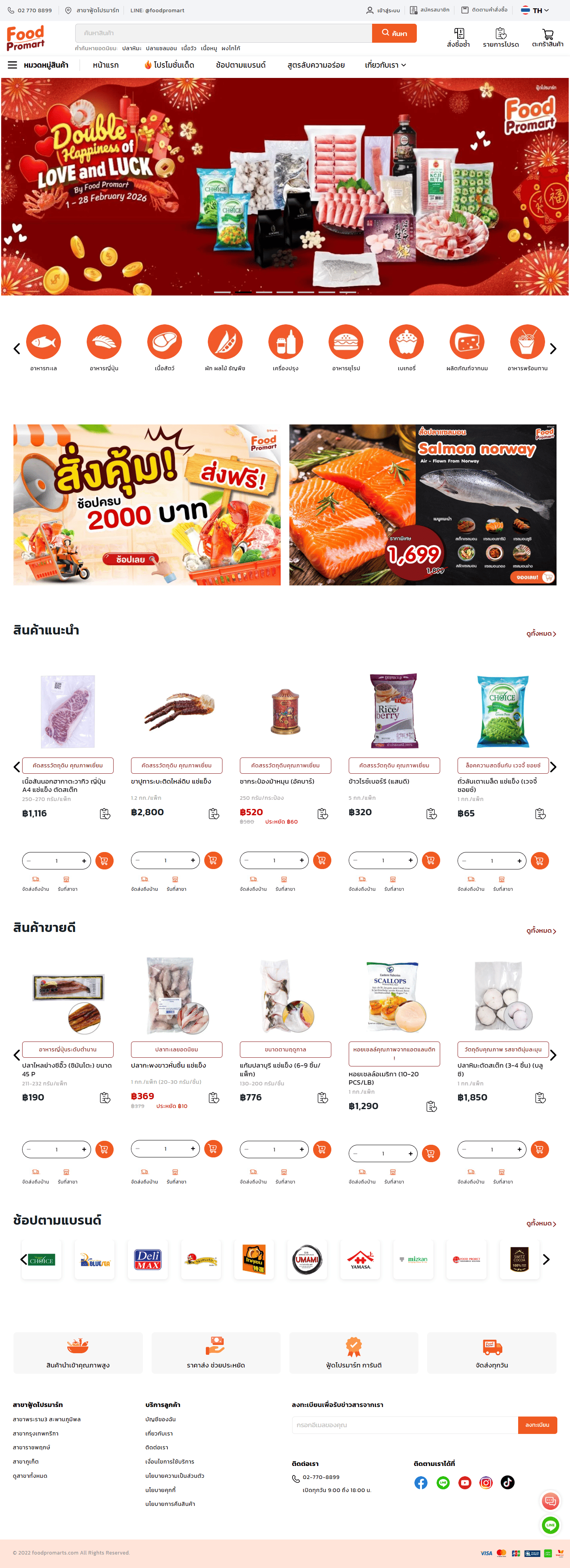
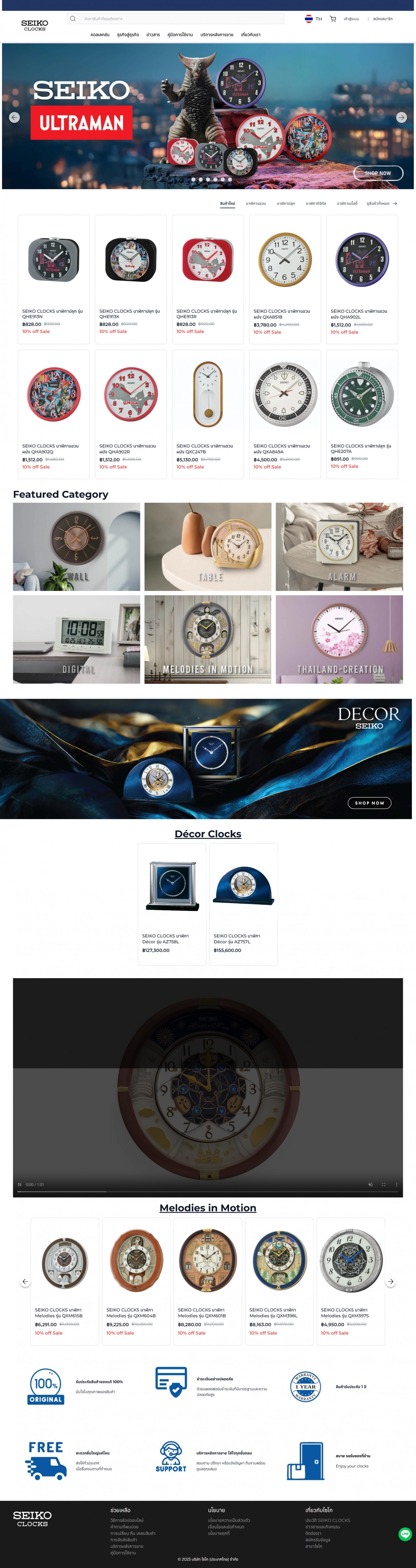
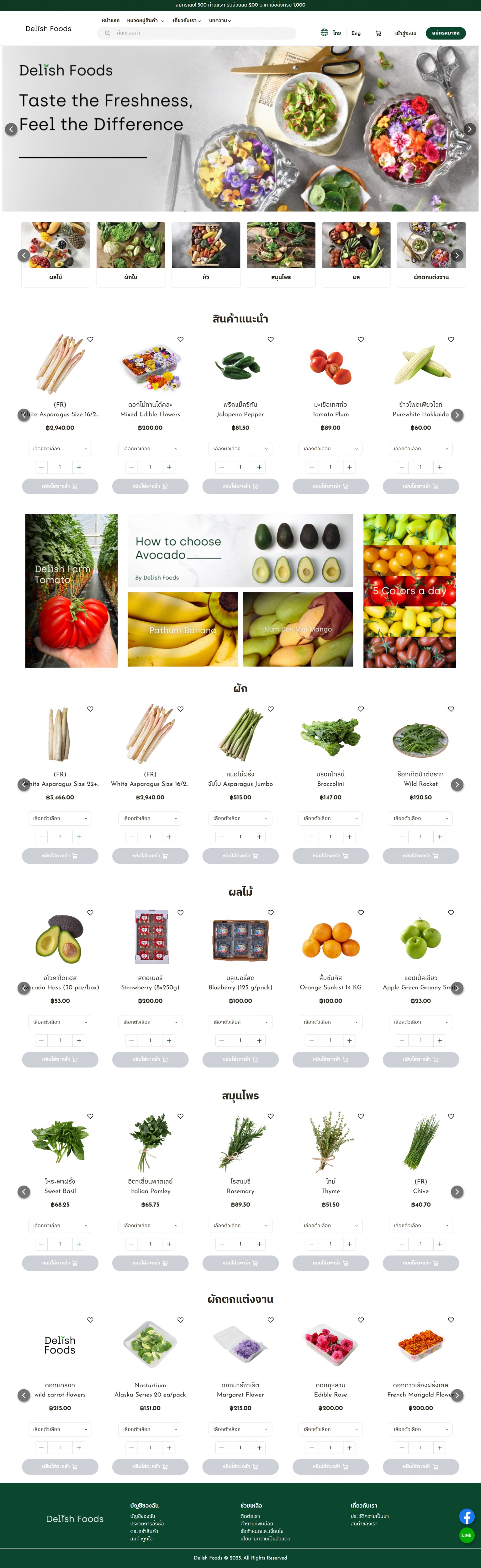
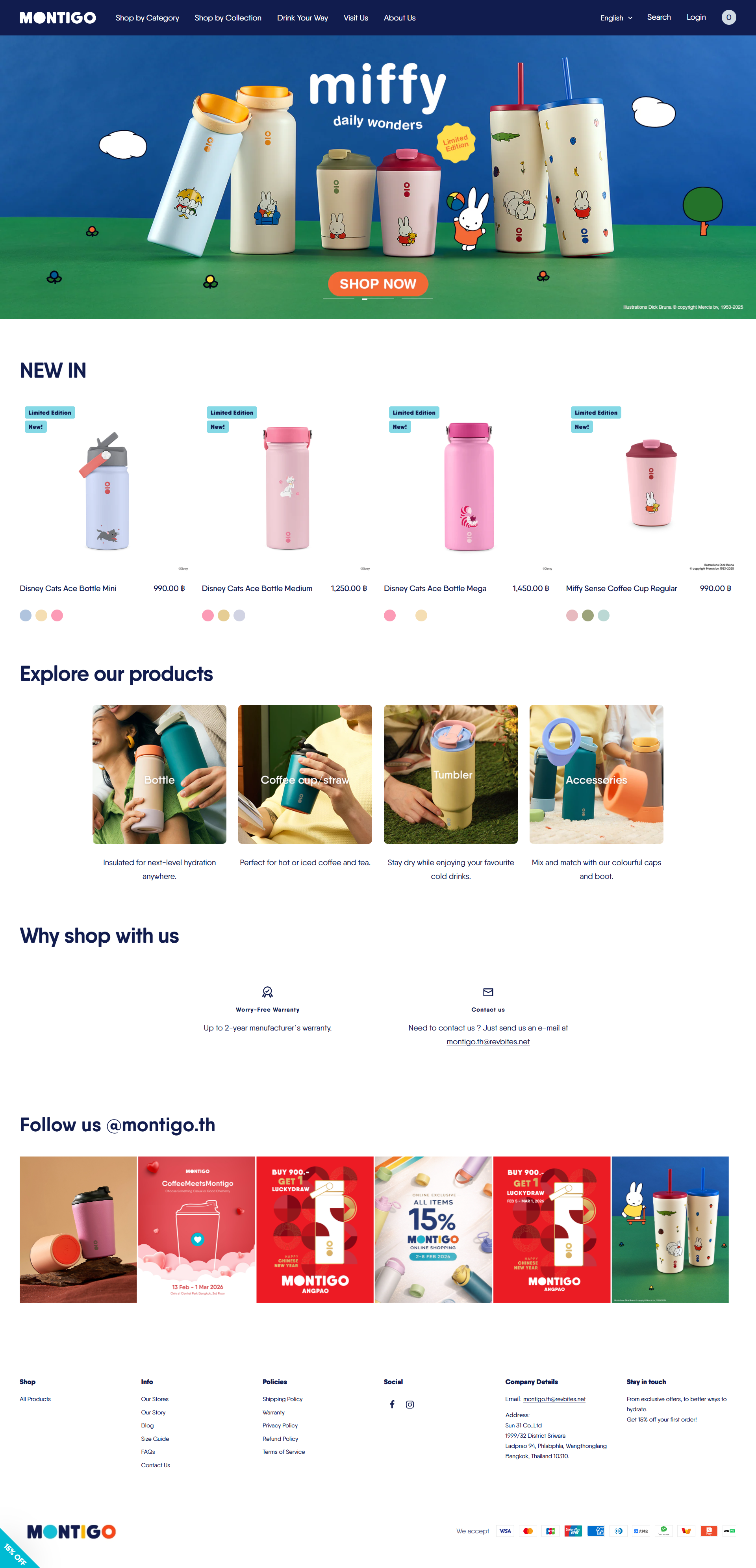
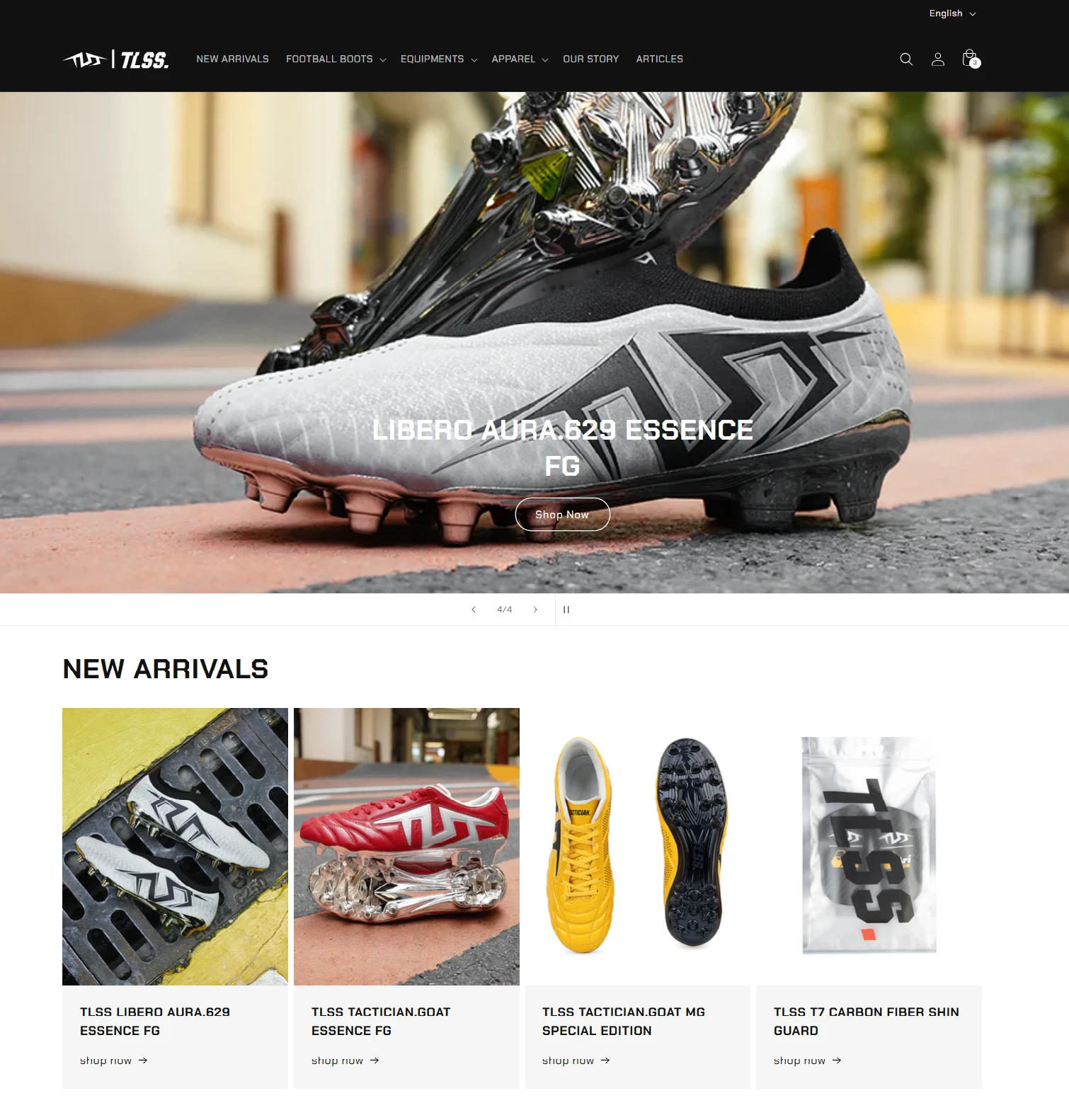
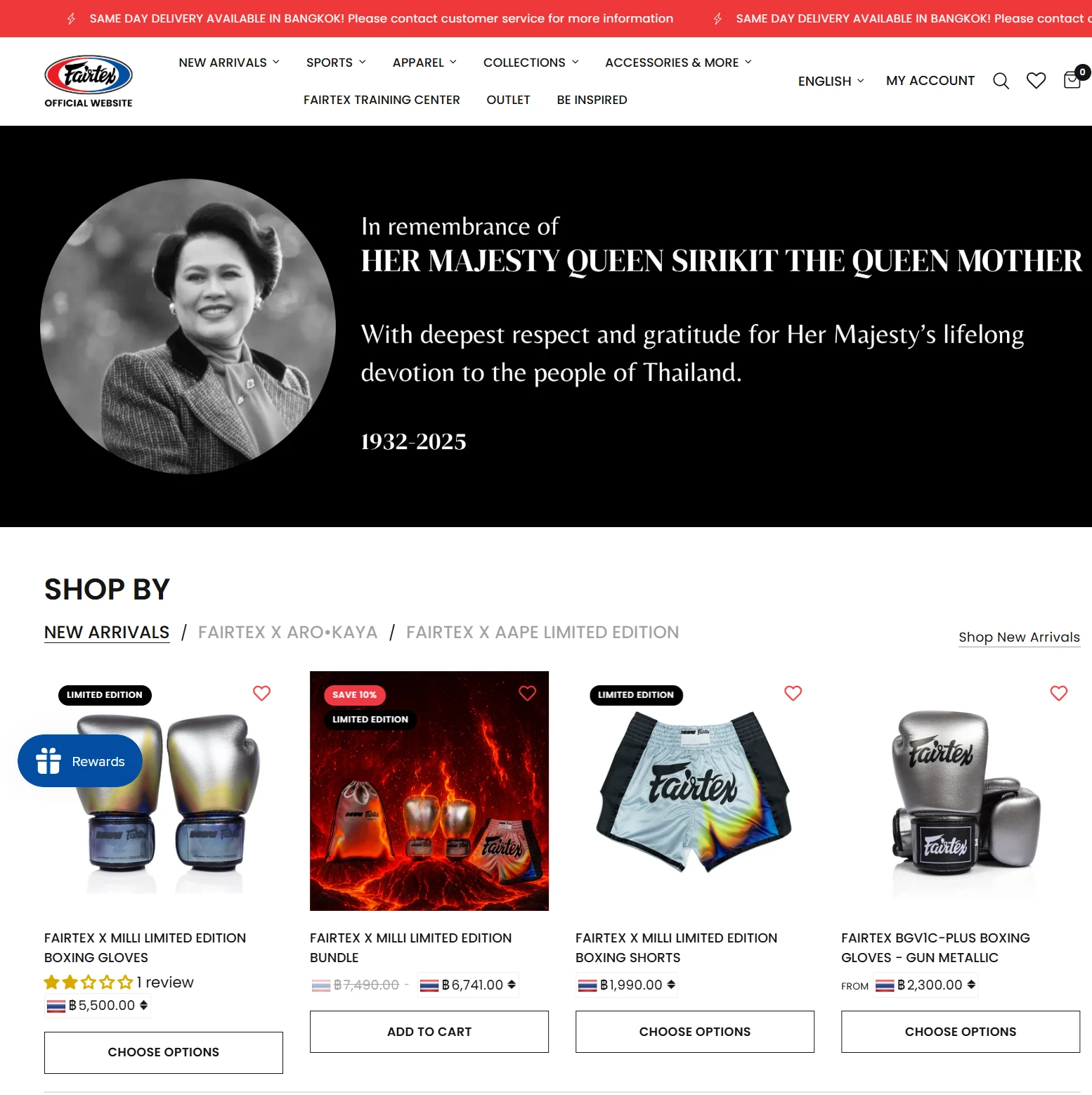
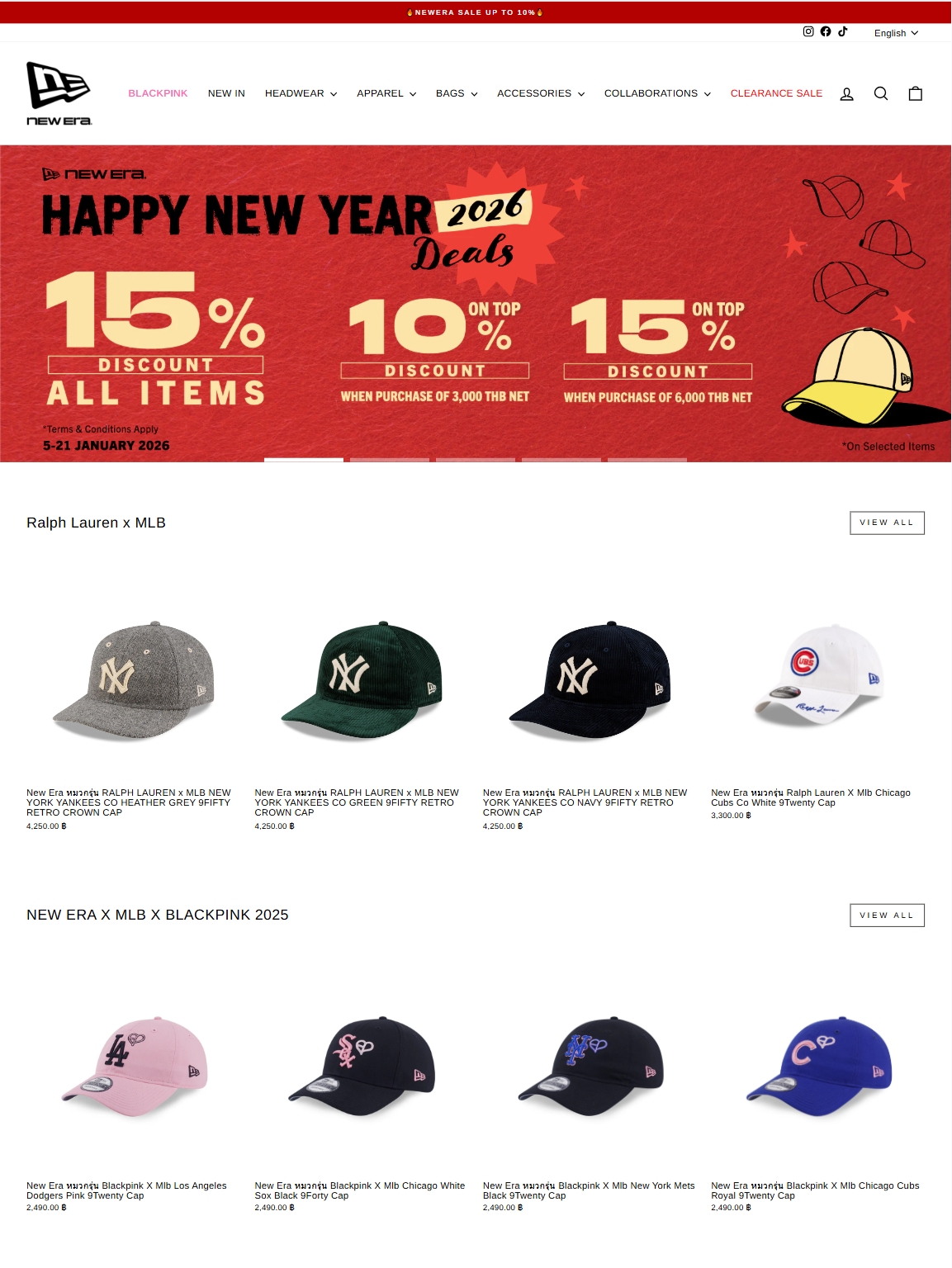
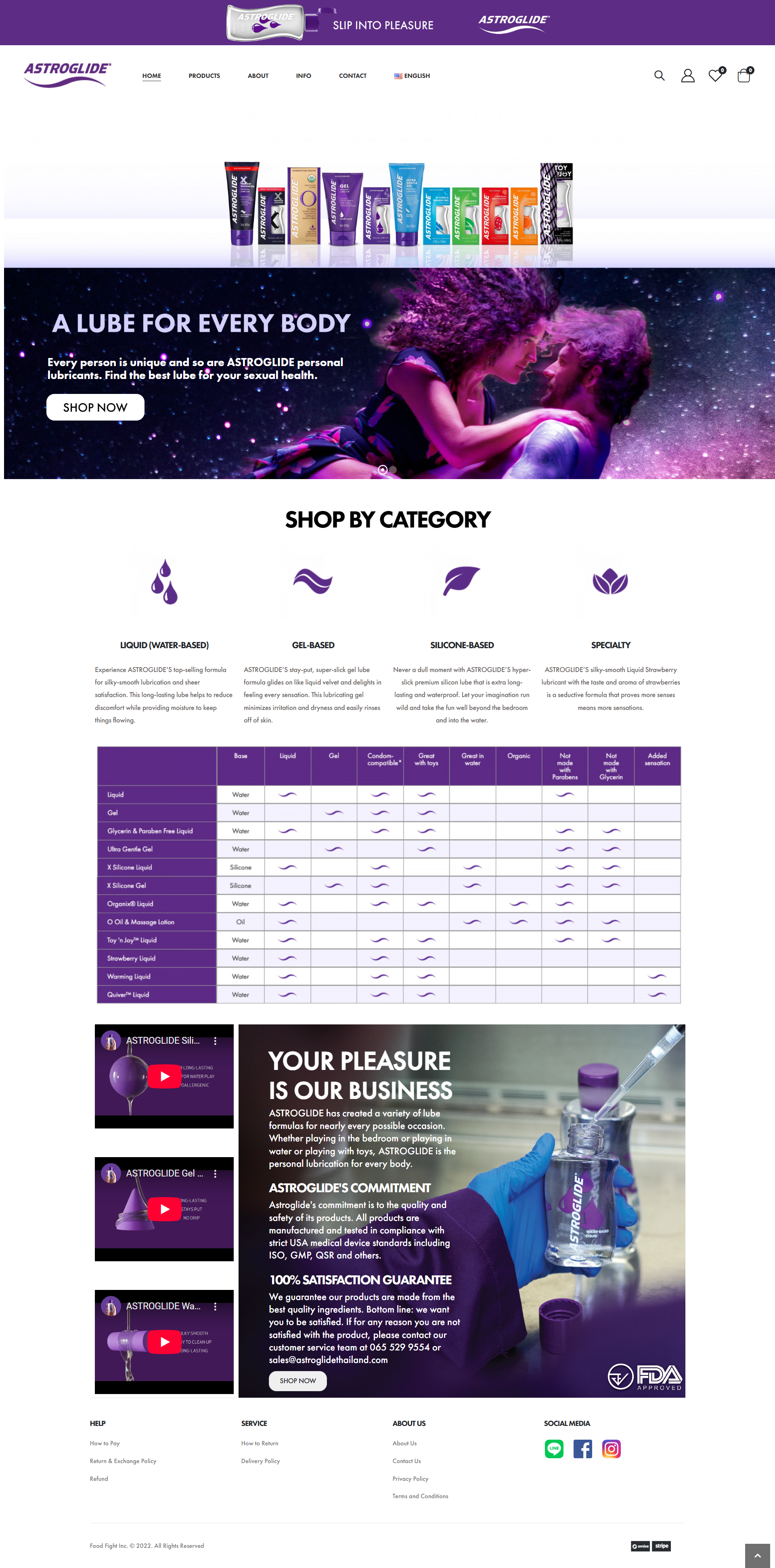
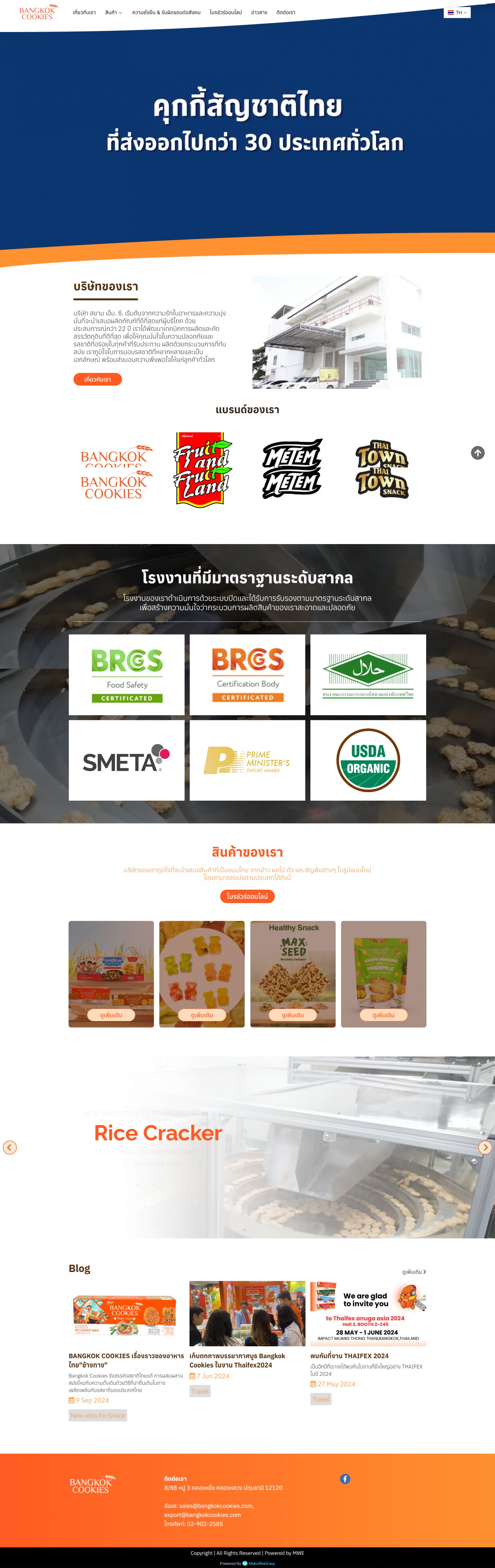
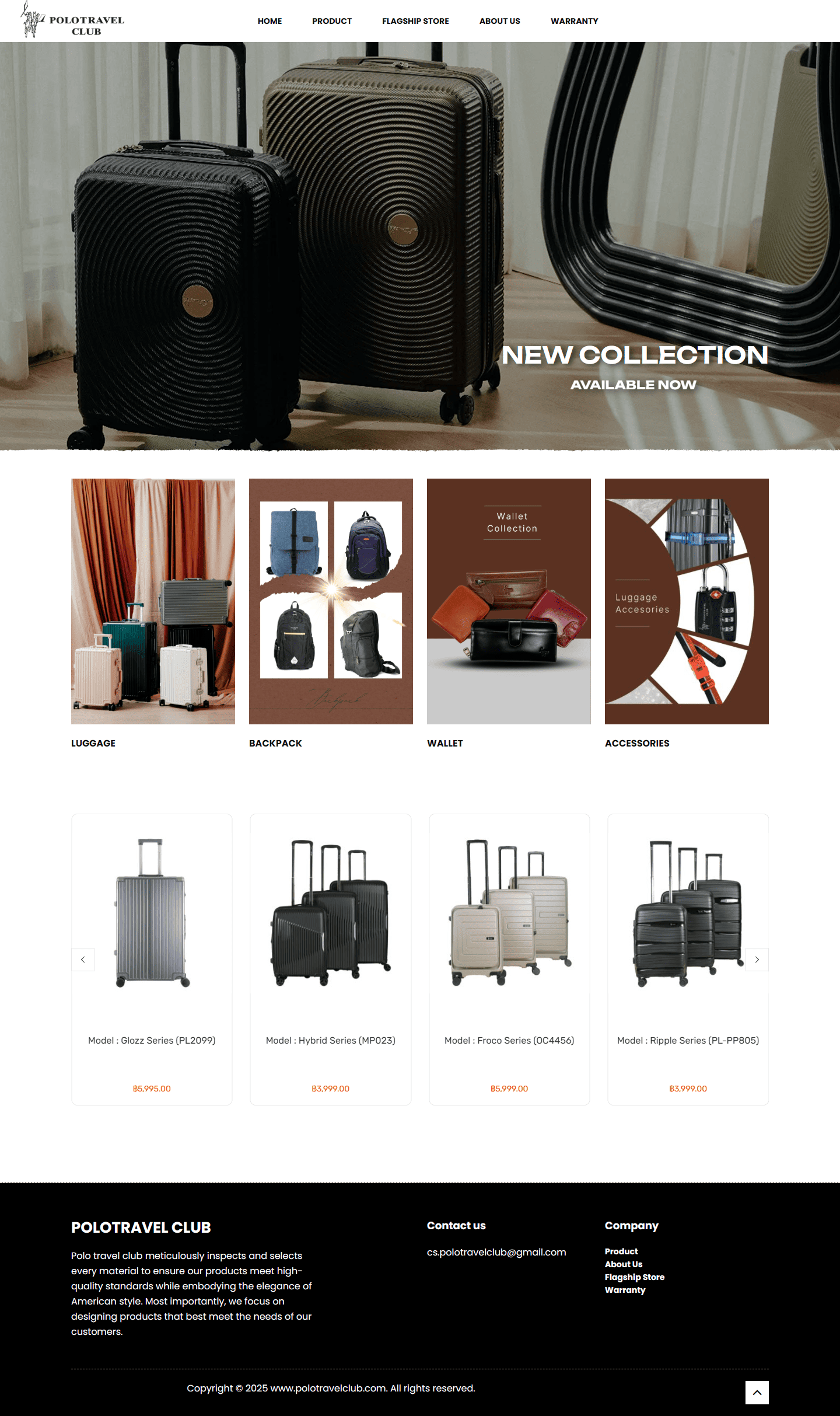
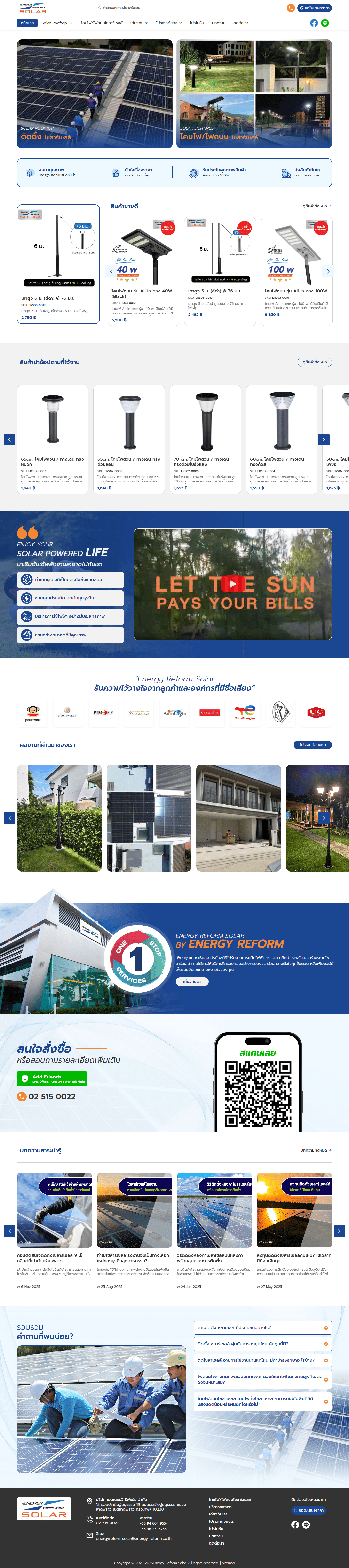
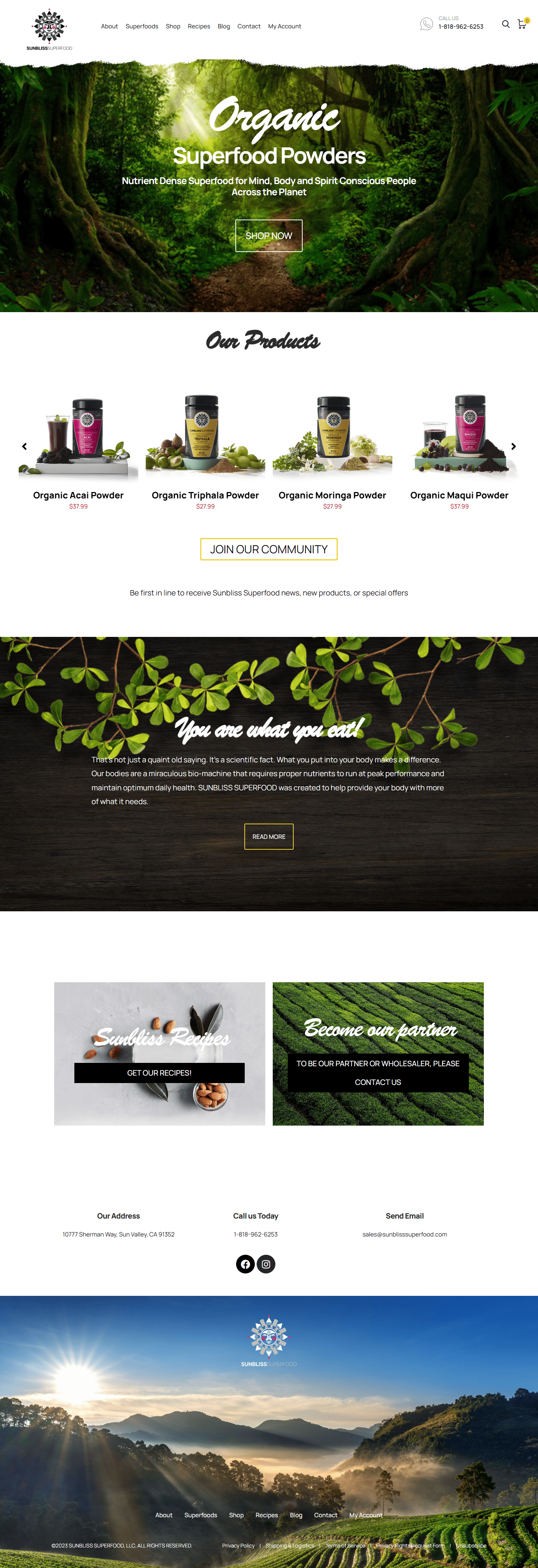
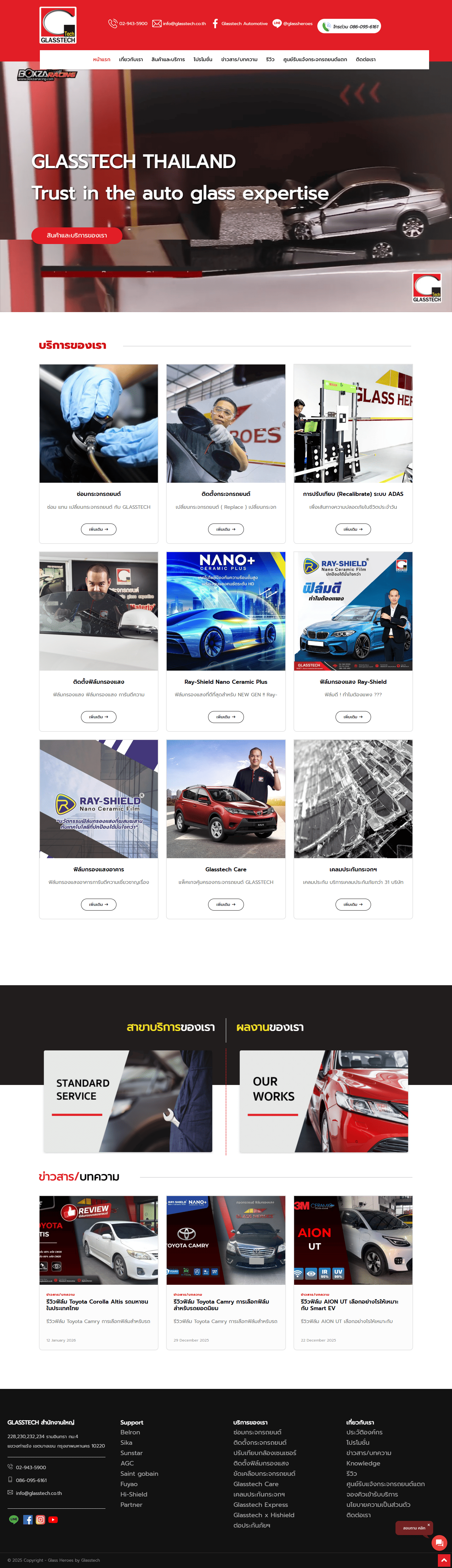
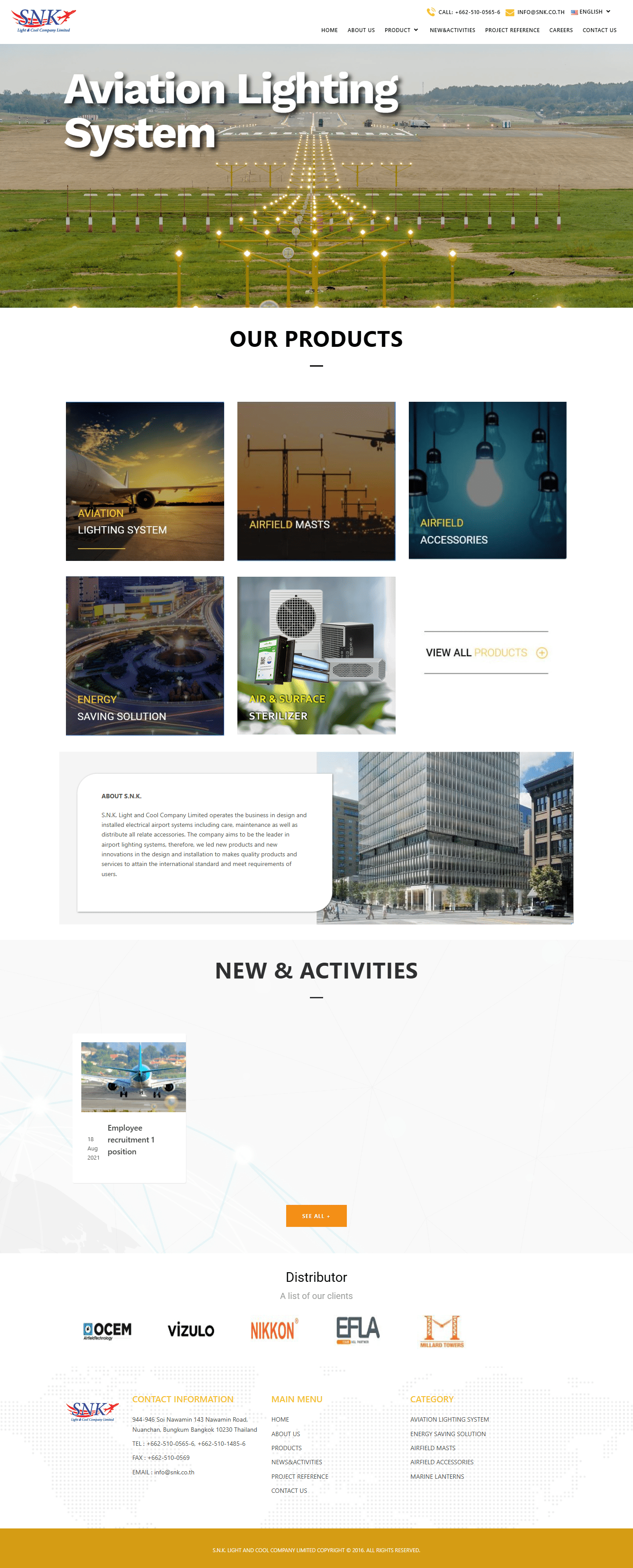
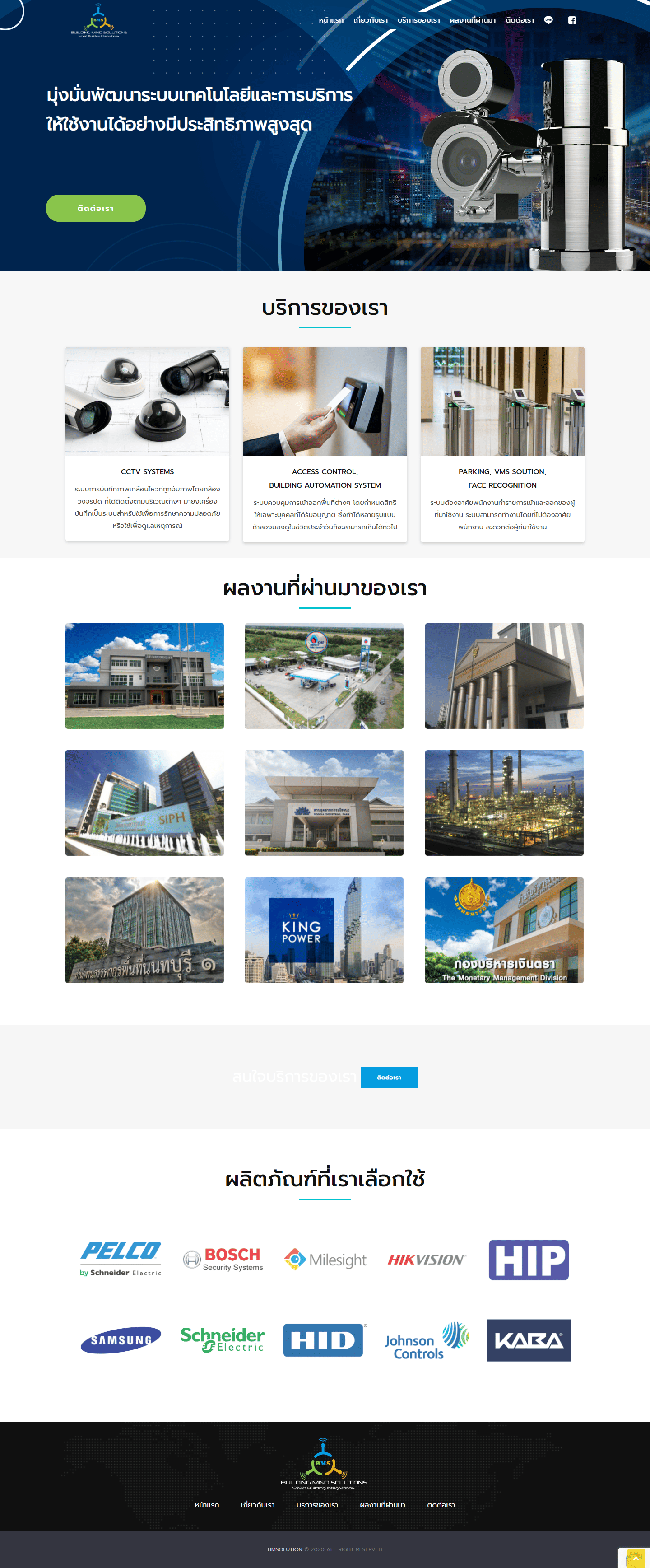
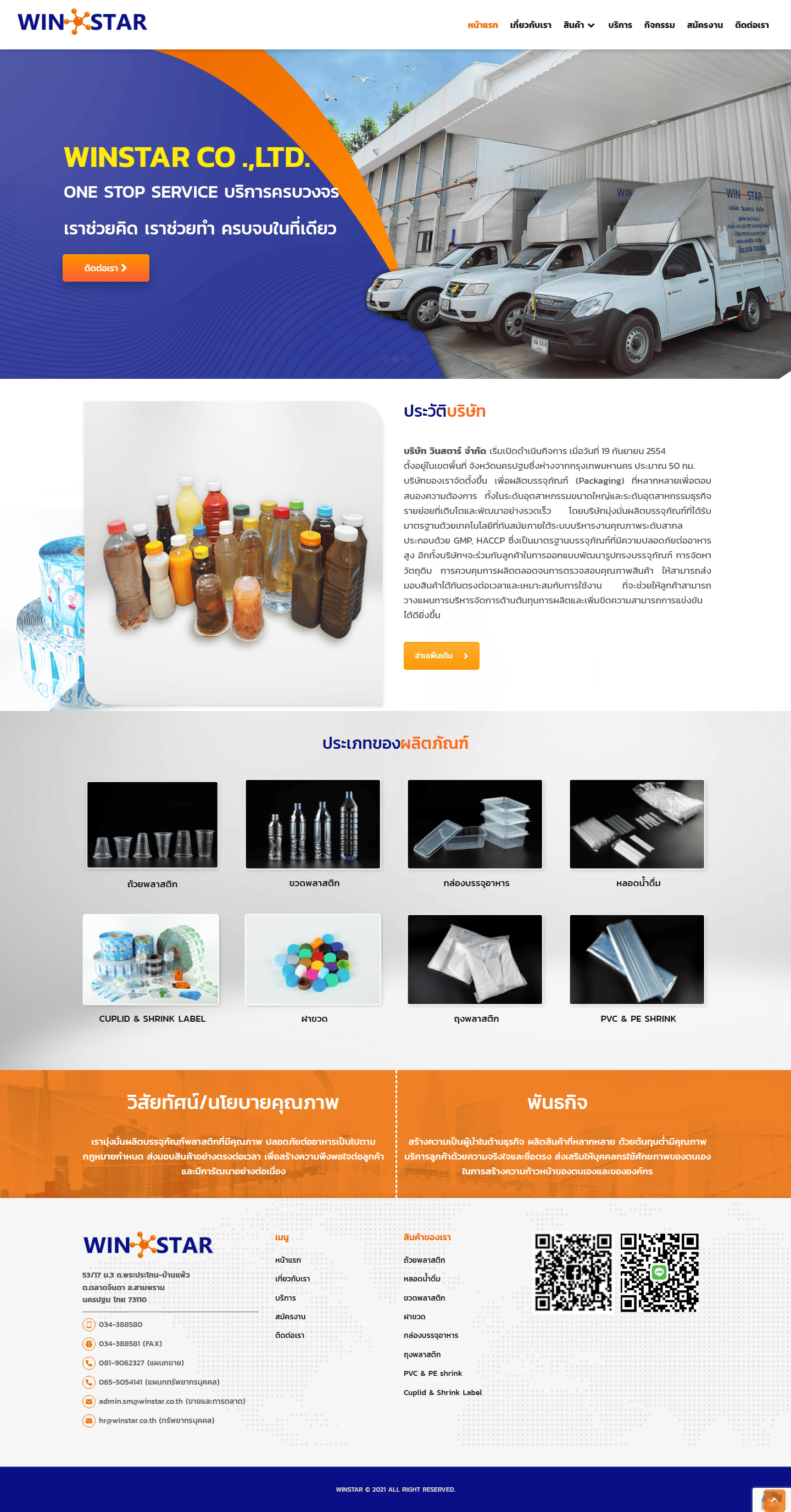
E-Commerce Websites We’ve Developed
A selection of websites designed and developed by our expert team, optimized for all devices and built to support business growth.
Business Type:
Platform :








Magento Web Design Packages Starting From
Magento 2
120,000 THB
- Theme Selection + Design Customization
- Responsive Design + Mobile Theme Design
- 3 Slideshow Images
- 5 Banner Designs
- Standard Order Tracking
- 3 Content Pages
- Payment Gateway: PayPal, Bank Transfer, Cash on Delivery, Omise, 2C2P
- Standard Magento + 2 Extensions
- Upload up to 20 Products
- Online Training
- Estimated Completion: 4 Weeks
- *Additional 10% discount when all content is ready
Plus
50,000 THB
- Theme Selection + Design Customization
- Responsive Design + Mobile Optimization
- 1 Slideshow Image
- 3 Banner Designs
- Standard Order Tracking
- 3 Content Pages
- Payment Gateway: PayPal, Bank Transfer, Cash on Delivery, Omise, 2C2P
- Standard Magento + 1 Extension
- Upload up to 10 Products
- Online Training
- Estimated Completion: 3 Weeks
- *Additional 10% discount when all content is ready
Pro
70,000 THB
- Theme Selection + Design Customization
- Responsive Design + Mobile Optimization
- 2 Slideshow Images
- 5 Banner Designs
- Standard Order Tracking
- 3 Content Pages + 6 Help Pages
- Payment Gateway: PayPal, Bank Transfer, Cash on Delivery, Omise, 2C2P
- Standard Magento + 2 Extensions
- Upload up to 20 Products
- Online Training
- Estimated Completion: 4 Weeks
- *Additional 10% discount when all content is ready
Custom
200,000+ THB
- Unique Custom Design
- Responsive Design + Mobile Design + PWA
- Slideshow Design Based on Requirements
- Banner Design Based on Requirements
- Real-time Order Tracking
- Content Based on Requirements
- Custom Payment Gateway Integration
- Extensions Based on Requirements
- Product & Content Upload Based on Requirements
- Online Training + 1 Personal Training Session
- Estimated Completion: 4–12 Weeks
- *Additional 10% discount when all content is ready
Notes:
1. Prices do not include Hosting and Domain Registration.
2. Prices are exclusive of 7% VAT.
3. The additional discount will be automatically deducted from the final payment, provided that the website is ready to go live and the final payment is completed within 30 days from the project start date.
1. Prices do not include Hosting and Domain Registration.
2. Prices are exclusive of 7% VAT.
3. The additional discount will be automatically deducted from the final payment, provided that the website is ready to go live and the final payment is completed within 30 days from the project start date.
Magento Hosting for E-Commerce Websites
Shared Basic
5,000 THB
- Shared Hosting
- 4 GB Storage
- Shared CPU
- Shared RAM
- Unlimited Bandwidth
- 1 Domain
- Shared IP Address
- SSL Support
- Server Location: Singapore
- Basic Server Tuning
Shared Plus
8,500 THB
- Shared Hosting
- 15 GB Storage
- Shared CPU
- Shared RAM
- Unlimited Bandwidth
- 1 Domain
- Shared IP Address
- SSL Support
- Server Location: Singapore
- Basic Server Tuning + Full Page Cache
Cloud 2 Core
16,800 THB
- Cloud Hosting
- 60 GB SSD Storage
- 2 CPU Cores
- 2 GB RAM
- 3 TB Bandwidth
- Unlimited Domains
- 1 Dedicated IP Address
- SSL Support
- Server Location: Singapore
- Nginx + Apache + Full Page Cache + Memcache
Cloud 4 Core
24,000 THB
- Cloud Hosting
- 80 GB SSD Storage
- 2 CPU Cores
- 4 GB RAM
- 4 GB Bandwidth
- Unlimited Domains
- 1 Dedicated IP Address
- SSL Support
- Server Location: Singapore
- Nginx + Apache + Full Page Cache + Memcache
Note:
1. Prices are exclusive of 7% VAT.
1. Prices are exclusive of 7% VAT.
Magento Development FAQ
Essential information about platform selection, project scope, integrations and development planning for your business.
What type of business is Magento suitable for?
Magento suits businesses with large catalogs, complex orders or pricing, multiple websites, languages or warehouses, and plans to integrate ERP, CRM or other back-office systems.
How long does Magento development take?
The timeline depends on catalog size, design, functions, data migration and integrations. Requirements and project phases should be reviewed before development begins.
Can Magento integrate with ERP, CRM and inventory systems?
Yes. Integrations can be developed through APIs or middleware after reviewing data formats, workflows, synchronization frequency and the limitations of each system.
Does Magento support mobile performance and SEO?
Yes. Magento can support responsive design, Core Web Vitals, metadata, canonical URLs, sitemaps and structured data. Results also depend on the theme, extensions, server and product data quality.
